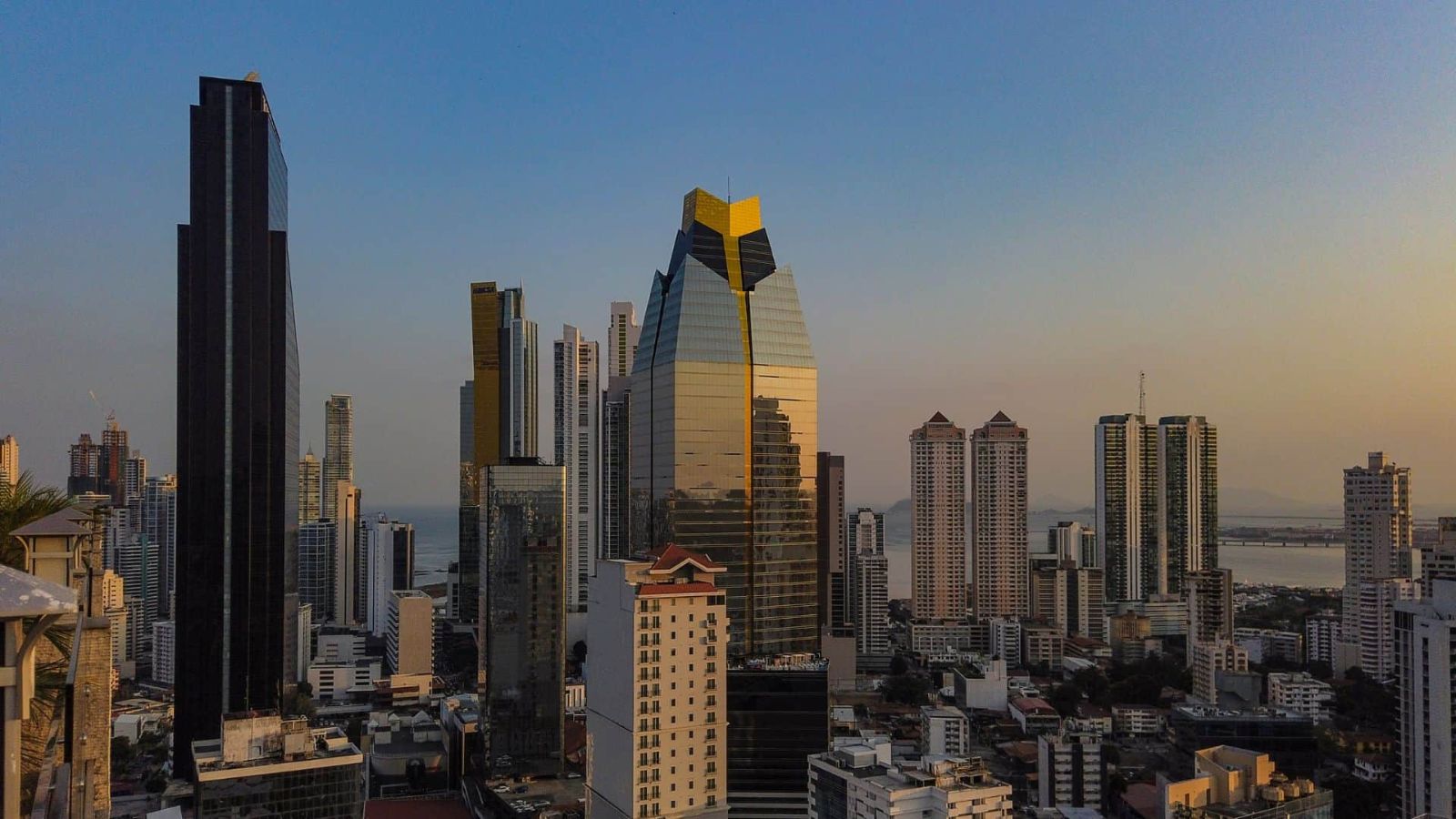
Picture two buyers at the same dinner table in Miami. One wants a studio in the city, a block from the office towers. The other wants a two-bedroom near the Pacific, the kind of place with a pool and a sea breeze. The first one is sure the city pays better. The second one is sure the beach is a lifestyle purchase that earns nothing. Neither has checked.
We did. On the numbers published by Global Property Guide in October 2026, the city leads, but not by much.
The numbers, side by side
Global Property Guide reports average gross rental yields (annual rent divided by purchase price, before costs) built from asking prices and asking rents on a local listings platform: 7.66% for Panama City, 7.48% for Coclé and 7.05% for Panamá Oeste, against a national average of 7.40%. (Global Property Guide, updated Oct 2026.)
Do the subtraction and the story changes. Coclé sits about 0.2 points behind the city and Panamá Oeste about 0.6 points (Proper calculation). Meanwhile, inside Panama City alone, the same source lists neighborhood yields from 4.90% (East Coast, four bedrooms or more) to 9.52% (El Cangrejo, studios and one-bedrooms). That is a spread of about 4.6 points, roughly seven times the gap between the city and Panamá Oeste.
The lesson is not "buy at the beach" or "buy in the city." It is that which unit, in which neighborhood moves your yield far more than the postcode type.
| Area and unit | Median asking price | Monthly asking rent | Gross yield |
|---|---|---|---|
| Panama City, studio/1-bed | $237,900 | $1,600 | 8.07% |
| Panama City, 3-bed | $410,000 | $2,600 | 7.61% |
| Panamá Oeste, studio/1-bed | $170,000 | $1,100 | 7.76% |
| Panamá Oeste, 2-bed | $242,500 | $1,300 | 6.43% |
| Coclé, 2-bed | $220,000 | $1,500 | 8.18% |
| Coclé, 3-bed | $425,000 | $2,400 | 6.78% |
Source: Global Property Guide, Panama rental yields (updated Oct 2026), from list prices and asking rents on a local platform. Yield is median monthly rent × 12 ÷ median price. Differences between areas are Proper's arithmetic.
Notice the Coclé two-bedroom
The single highest yield in that table is not in the city. It is a two-bedroom in Coclé at 8.18%: a median asking price of $220,000 and a median asking rent of $1,500 a month. A three-bedroom in the same province drops to 6.78%. Same coast, same sunsets, a 1.4-point difference by unit size. This is why a single average can mislead as easily as a record auction price did in our coffee piece.
Why the visitors matter, and why they don't prove anything
One reason people expect the coast to earn is tourism. Panama's tourism authority reported 3,426,000 international visitors in 2025, up 8.2% on 2024, with Tocumen airport receiving 2,244,000 of them (ATP figures via TVN, March 6, 2026). That is real demand for short stays. It does not tell you how many of those visitors rent a given beach apartment, in which months, or at what occupancy. The yield table above uses long-run asking rents, not holiday-rental income.
What these numbers don't tell you
- They are gross, not net. The source says net yields are typically about 1.5 to 2 points lower, which would put a 7.66% gross city figure at roughly 5.7% to 6.2% net (Proper calculation). Management, vacancy, maintenance, condo fees and taxes are what close the gap.
- They are asking prices and asking rents, from one local platform, not closed sales or signed leases.
- "Panamá Oeste" and "Coclé" are provinces, not beaches. The source does not break out a specific beach town, so we cannot say what any single community yields.
- They say nothing about the mountains. The source has no Boquete or Chiriquí line. We covered the highlands separately and will not guess a yield we cannot source.
- Yield is not total return. It ignores how prices move, what you can resell for, and what it costs to get in and out.
So, city or beach?
The honest answer is that this table cannot decide it for you, and neither can an average. What it can do is take one belief off the table: that the beach automatically earns far less than the city. On paper the gap is small, and the unit you choose matters more. The right question is not "which place," but "which unit, at what price, with what rent, and what is left after costs." That is the question the Clarity Session is built around.
General information only, not legal, tax or investment advice. Every property and every buyer's situation is different.