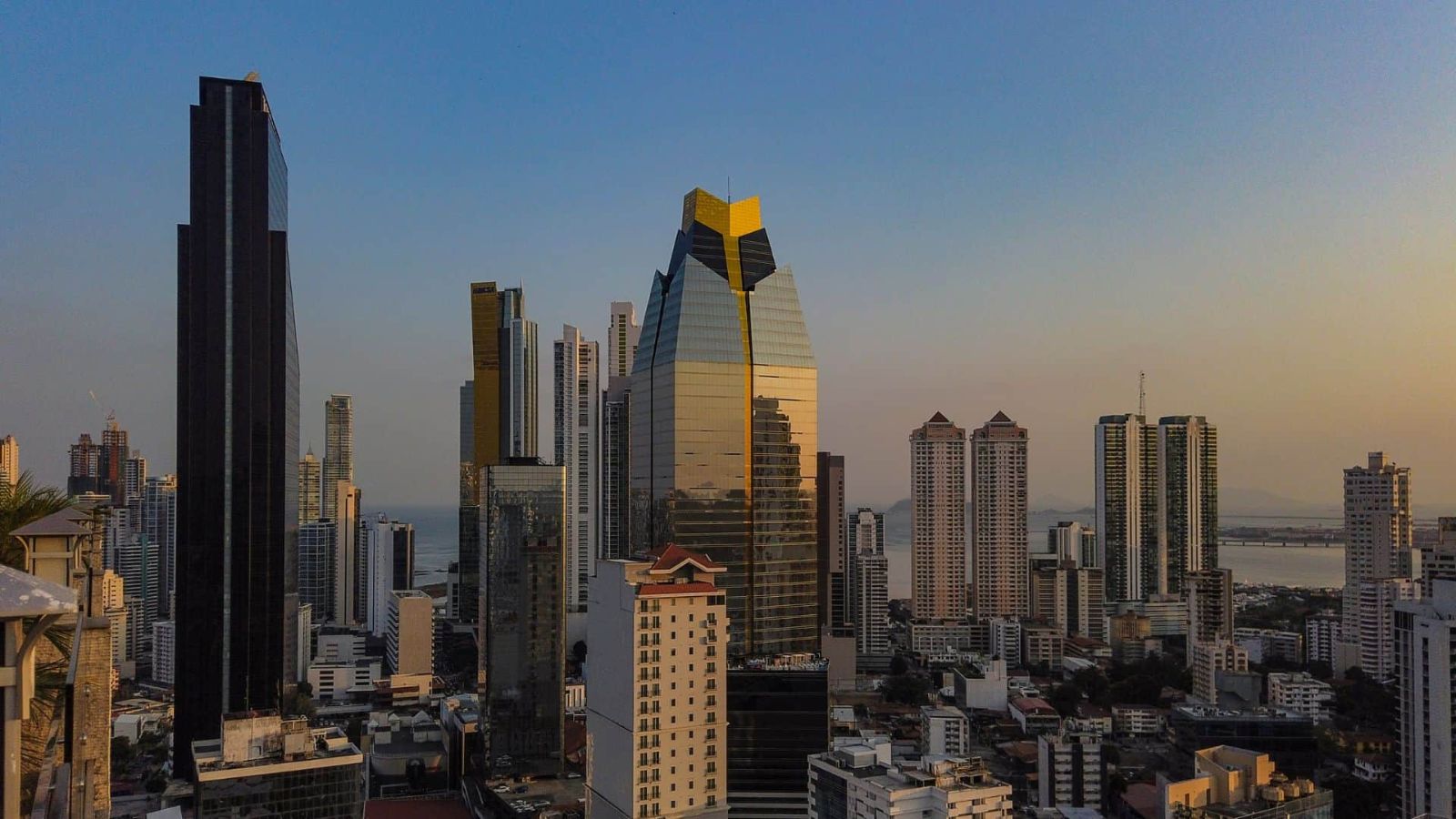

Panama is, by design, a business-friendly country: it's a regional hub with a strong multinational presence, an international banking system, and company formation processes that are relatively fast compared to the rest of the region. But "friendly" isn't the same as "no learning curve" — and shortening that curve is exactly what this guide is for.
1. Choose the right structure from the start
Most foreign businesses in Panama are set up as a corporation (sociedad anónima), a flexible vehicle that separates personal assets from company assets. But depending on the type of business — retail, services, consulting, e-commerce — a different structure may make more sense, or you may even need to operate under more than one entity if there are partners or separate business lines involved. Deciding this before incorporating saves you from having to restructure (and re-pay paperwork) later on.
2. Licenses: not all activities are equal
Panama distinguishes between commercial activities that only require a notice of operation (a relatively simple registration) and activities that need specific permits or licenses depending on the sector — health, food, tourism, among others. The common mistake is assuming "one license covers everything." Confirming exactly what applies to your specific activity, before signing a lease or investing in inventory, avoids costly surprises.
3. Corporate banking: keep it separate from personal banking, day one
Just like with personal accounts, opening a corporate bank account as a foreign-owned business requires robust documentation — and banks evaluate both the business and its beneficial owners. Starting this process in parallel with incorporation (not after) is one of the decisions that saves the most time in the first months of operation.
4. Accounting and compliance, from month one
Panama has registration and reporting obligations that apply even to businesses with minimal activity. Starting with a trusted accountant or firm from month one — instead of "once we're bigger" — avoids piling up administrative technical debt that costs more to fix later than it would have to prevent.
5. Talent and your local team
If you plan to hire staff in Panama, labor law has its own rules on the ratio of local to foreign workers, benefits, and hiring processes. It's worth understanding them before you make your first job offer, not after a labor dispute.
What nobody tells you
The biggest risk in setting up a business in Panama usually isn't legal — it's operational. It's underestimating how much time it takes to coordinate between a lawyer, an accountant, a bank and a landlord when each works independently and nobody sees the full picture. That's exactly where a business concierge comes in: someone who coordinates those pieces so you can focus on launching, not chasing paperwork.
The bottom line
Starting a business in Panama is simpler than it looks — if you follow the right order and have clarity from the start on structure, licenses and compliance. Most of the headaches we see don't come from the law itself, but from a lack of coordination between the parties involved.