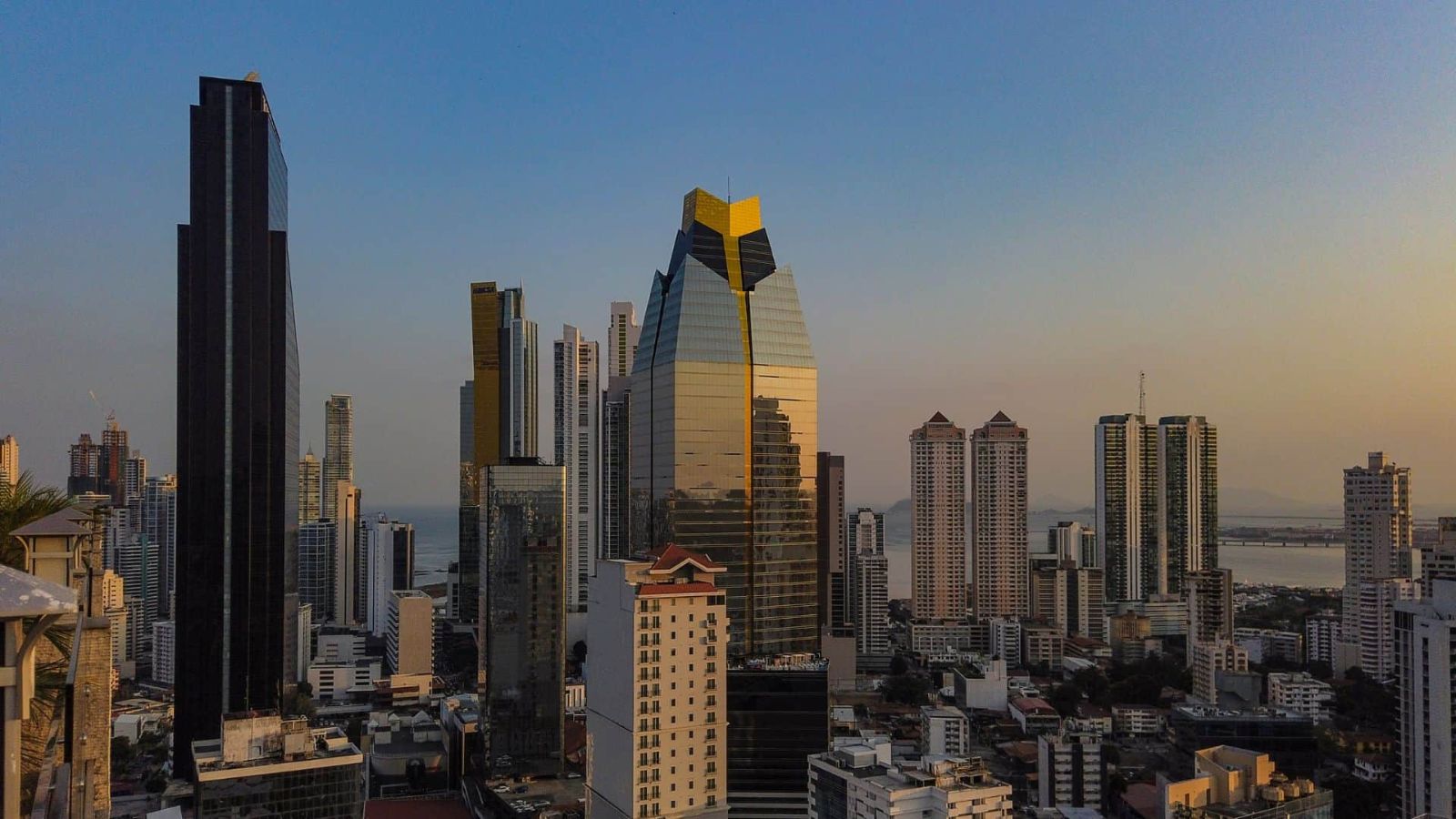

For most foreigners, the fastest legal route into Panama is the Friendly Nations Visa, available to citizens of roughly 50 countries with historic ties to Panama (the US, Canada, the UK, most of the EU, and others). All-in, excluding whatever you use to qualify, total fees typically run $4,500 to $9,700 for a single applicant: about $1,450 in government and administrative fees, plus $1,800 to $5,500 in legal fees depending on the firm you use. Add a dependent — spouse, child — and expect another $1,200 to $2,000 per person.
Processing takes roughly 4 to 6 months from a complete application to provisional residency, which is valid for two years while you work toward permanent status. That's the direct answer. The part that actually decides how smoothly this goes for you is which of the three qualifying routes you use — and that's where most of the expensive mistakes happen.
The three ways to qualify
You need to show economic or professional ties to Panama, through one of three routes:
- Employment. A valid labor contract with a Panamanian company, plus a work permit. No $200,000 requirement, but you need an actual job offer first.
- Real estate. A minimum $200,000 investment in Panamanian property, held in your name.
- Bank deposit. $200,000 placed in a fixed-term deposit at a Panamanian bank, held for at least three years.
These aren't interchangeable in practice — the right one depends on whether you're relocating for work, already planning to buy property, or simply want the fastest path with capital you're not tying up in real estate.
What the fees actually cover
The government and administrative fees cover filing, processing and the residency card itself. Legal fees cover the part that actually matters: document preparation, application review, and representation through Migración — this is not a form you want to get wrong on a first attempt, since corrections cost more time than doing it right the first time.
Timeline, step by step
- Documents apostilled and translated (before filing).
- Application filed — provisional residency typically follows in 4–6 months.
- Two years on provisional status, with a re-entry requirement if you leave Panama.
- Permanent residency application, a few more months to resolve.
- Eligible for citizenship after 5 years of permanent residency, if you want it.
Where people get this wrong
The two mistakes we see most: choosing the bank-deposit route without confirming which banks actually accept a deposit for this purpose (not all do), and assuming the DIY route saves money — it usually costs more in refiled paperwork and lost months than a properly prepared application would have.
The bottom line
The fee ranges above are real, but they're a starting point, not a quote — your actual cost depends on which route fits your situation and whether your documents are in order the first time. That's exactly what a Clarity Session is for.